

How Red Light Therapy Works
The Science Behind How Red Light Therapy Works
At Lumirria, Dr. Matthew combines clinical understanding with real-world testing to recommend devices that target skin health at the cellular level. Below we explain what happens when red and near-infrared light meet the skin — and why it matters for face and body care.
How Red Light Therapy Works ?
Photobiomodulation: Science & Simplicity
Red and near-infrared light deliver photons that penetrate skin tissue and interact with mitochondria — the cell’s powerhouses. This interaction increases cellular energy (ATP), encourages controlled signalling for repair, and reduces inflammation. Below is a clear, integrated view: clinical mechanism, practical effects, and what you’ll actually see.
Cellular Activation
Photons are absorbed by mitochondrial chromophores. ATP production rises, giving cells energy to repair, regenerate and restore normal function.
Enhanced Circulation
Improved microcirculation delivers oxygen and nutrients to tissues more efficiently — supporting collagen synthesis and visible skin health.
Reduced Inflammation & Repair
Red light modulates inflammatory pathways and speeds recovery — useful for acne, irritation, and post-procedure healing.
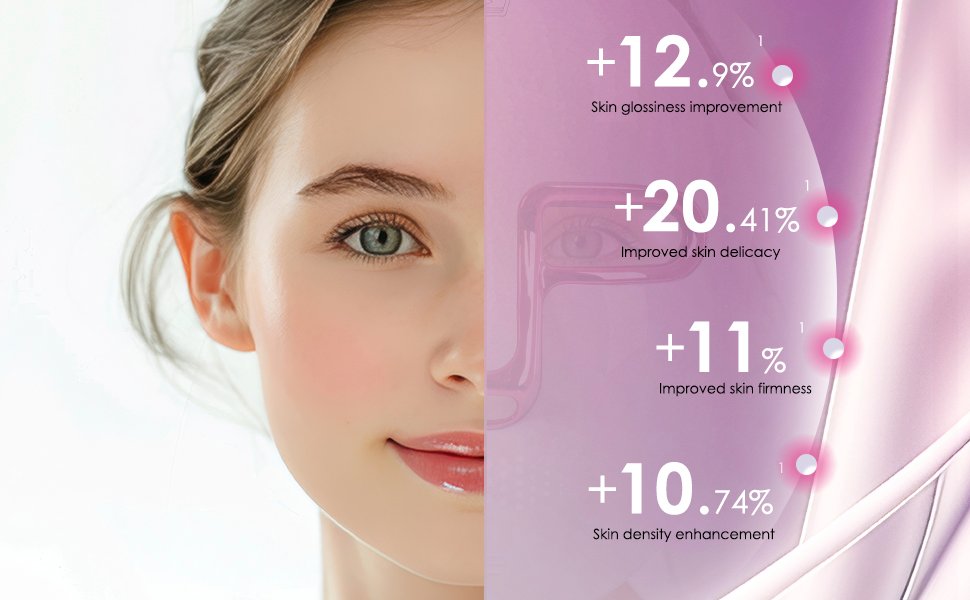
In plain terms: consistent sessions help your skin behave younger — smoothing texture, improving tone, and restoring firmness. Results build over weeks as cellular processes normalize.
Benefits Backed by Research
Clinical and real-world findings align: consistent red light therapy supports skin health, recovery, and long-term resilience.
Collagen & Elasticity
Increased fibroblast activity and collagen formation improve firmness and reduce fine lines over time.
Texture & Tone
Smoother surface, fewer rough patches, and more even pigmentation as cellular turnover improves.
Reduced Inflammation
Lower inflammatory markers and faster healing for acne-prone or irritated skin.
Comfort & Safety
Non-invasive, pain-free treatments with minimal downtime — appropriate for regular home use.
Safety, Use & Evidence
Is red light therapy safe?
When used as directed, red and near-infrared light are safe for all skin types. Avoid high-intensity misuse and follow manufacturer instructions. If you have specific medical conditions or photosensitive medication, consult a physician first.
How to use devices effectively
Start with 10–15 minute sessions per area, 3–5 times weekly. Maintain consistent use for at least 6–8 weeks for measurable improvements. Allow your skin to rest between sessions if it feels sensitive.
Select scientific references
Common Science Questions
Do I need professional supervision?
For at-home devices, professional supervision is typically not required. For medical conditions or post-procedure care, consult your clinician for a tailored protocol.
Which wavelengths matter most?
Red (620–700nm) and near-infrared (800–850nm) have the best evidence for skin and deeper tissue effects. Device specs should list wavelengths and irradiance.
Will results be immediate?
Some users notice immediate improvements in tone; meaningful structural changes such as collagen increase typically require weeks of consistent use.
Ready to try science-backed red light?
Explore Dr. Matthew’s curated devices or read more about the research in our blog.